The Ramblings of a Fly Fisherman

Clear Creek and Tenkara


I took the Tenkara rods out this past weekend and tried my luck on Clear Creek.  I also decided to play around with the new GoPro camera that I picked up off Amazon just to see how much fun it might be to start documenting my fly fishing trips via video.  Needless to say, it was fun. 


Maybe you don’t want to necessarily record your trips in HD, however; it will always be a good idea to keep a running log of your experience.  Keeping track of the day you were there, weather conditions, water temperature, flow rate, what flies you used, your line configuration, etc…  will really pave the way to becoming an expert on that water.  Imagine fishing this year, but having a resource at your fingertips that recounts what was attempted on that river during the same conditions last year.  What worked well?  What didn’t work at all?  While your buddies are digging through their fly boxes guessing, you would already be a step ahead and midway through your fifth cast.

Fly Fishing Clear Creek – 4/21/2013


Clear Creek is running beautifully right now.  The water is a bit low, but that fact is giving the average angler access to many areas not typically available.  This area is becoming my testing ground for my new Tenkara rods as the terrain and shallow runs appear to be custom tailored for this method of fishing.  So far, I have been very happy with the results.  Today, Alyssa and I caught about 12 fish on beaded pheasant tails in sizes ranging from 8 to 13 inches.  I can already tell that Alyssa is going to prefer Tenkara over western fly fishing as the ease of casting really allowed her to focus her efforts on landing fish rather than fiddling with her gear.  I did spend some time using some of the more traditional kebari flies, but due to my lack of confidence in them at this point, I found myself gravitating to my go to dry-dropper configuration (small caddis/pheasant tail) which was really easy to cast with the Ayu II and produced great results throughout the day.

The Adams


This fly doesn’t really need any kind of introduction.  The Adams Fly was created by Leonard Halladay in 1922.  The history behind how the fly was created is very interesting as many variations of the story exists accounting for both the name and the conception of the fly itself.  Some believe that the fly was actually designed by a man named Charles F. Adams stating that he described the fly to Leonard based on his observations at a local Mayfield pond.  Others state that Leonard himself designed the pattern and it was named the “Adams” due to the fact that Charles Adams was the first to catch a fish on it.    Tom Deschaine actually does a great job recounting the history behind the fly in his article “The Adams: History Revisited by Tom Deschaine” – Here is a link to the article - The Adams: History Revisited

I first learned how to tie this pattern in a fly tying class that I took with Charlie Craven over at Charlie’s Flybox.  It is an easy tie and it catches fish.  What more can you really ask for in a pattern?  I have fished this pattern in 10 different states now and in many different situations….  Keep a few of these in your fly box!
Hook – TMC 100 Size 16
Thread – Black 8/0
Tail – Mix of Brown and Grizzly Hackle
Wings – Grizzly Hen Tips
Body – Super Fine in Gray
Hackle - Brown and Grizzly Hackle (1 each)

CDC and Elk


Originally created by Hans Weilenmann, the CDC and Elk has become a bit of a staple for me. I like the fly because it is simple to tie (the name is practically the materials list), it floats really well with only limited additives, and it catches fish.  I think that the CDC on this pattern creates a lot or surface disturbance and movement as CDC tends to do with lots of other patterns that we all like.  Staying true to form, many have chosen, as I have, not to utilize elk for this pattern in favor of deer making the head on this fly a little easier to create.  In general, this makes a great caddis imitation and is a go to fly for many small streams.

Annual Fly Tying Clinic - Trout Unlimited


I attended the Annual Fly Tying Clinic put on by Trout Unlimited this past weekend.  I was a little under the weather, but I still managed to participate in the silent auction and various raffles offered at the event.  While there, I got the opportunity to watch Greg Garcia tie on a few of his favorite inventions.  I have really enjoyed working with Greg over the years and I owe him immensely for the great advice that he has willingly offered me over that time that has ultimately improved my technique on the river.  However, this was the first time that I have been at a venue where Greg was actually tying.  One of my favorite patterns of his is the Mini Hot Attractor.  It is a simple attractor, very easy to tie, and in my opinion, a dead-ringer for the yellow sally stone fly.  Below is an example of one that I tied shortly after the clinic.
Hook – TMC 200R 14-18
Thread – Yellow 70
Body – Yellow thread wrapped with micro tubing
Hot Spot – Red Flash
Underwing – SLF dubbing in sand
Overwing – Bleached yearling elk
Thorax – Yellow SLF Dubbing with yellow hackle

At Charlie’s Flybox with Steve Schweitzer

I attended a tying presentation at Charlie’s Flybox this past Saturday featuring Steve Schweitzer. This is the same guy that I had written about earlier when discussing fly fishing in Rocky Mountain National Park. The presentation was very informative and focused not just on tying patterns, but also on tips and tricks when fishing high altitude areas. The rule that Steve pushed the hardest was “as you go higher, fish smaller and darker patterns”. He also provided some useful tips on some fly patterns that he likes based on various elevations in the park.


Below are the patterns that he reviewed during his presentation along with their elevation recommendations:

7,000 to 8,500 feet – Chewy Scud, Tabou Caddis, and the Spun-Bunny Mudder

8,500 to 10,000 feet – ParaCupboard Ant, The Usual, and the Better Midge

I really liked the ParaCupborad Ant as I typically gravitate toward any pattern that uses common materials or maybe a material that most would never think to use.

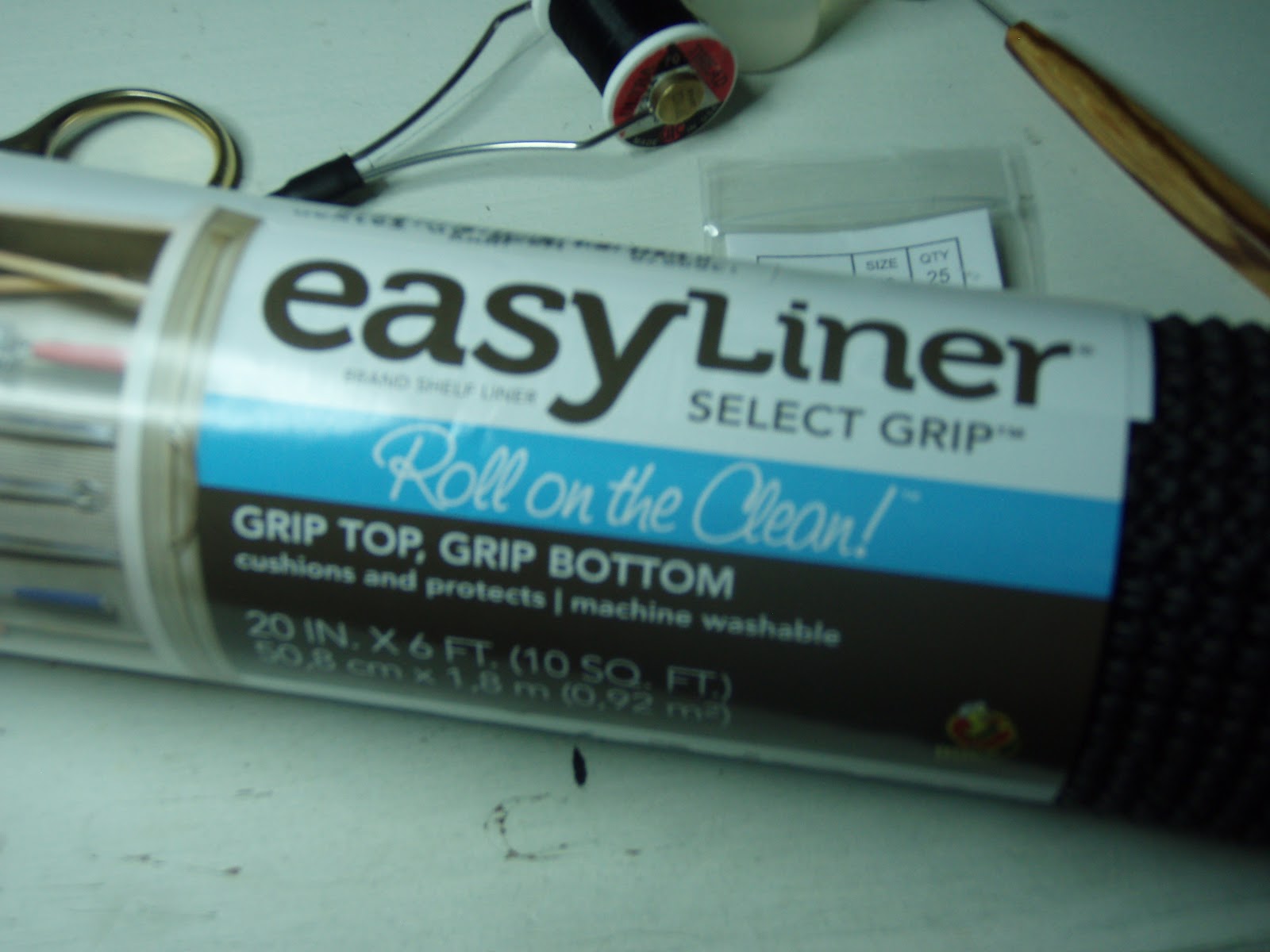
This pattern uses a cabinet liner that you can pick up at any Walmart.


Cut a small strip of the material as you see below.


Don’t cut the material at each segment, but rather pinch between every other segment and gently pull apart.  This will create somewhat realistic antennae or pinchers depending on your point of view.  Now you have a foam ant body to tie with. 


Use a size 18 hook, I like the TMC 100 or 101 for this as it is really well suited for the ant body that you just created.

International Sportsman’s Expo

I attended the International Sportsman’s Expo this weekend. As usual, there were lots guide services and local fly shops selling products and services at discount prices. I picked up a few fly boxes as well as enough leaders to last through spring and summer this year. However, the portions of this show that I find the most valuable are the presentations. This year, I attended three great presentations.


1. Urban Fly Fishing (Kerry Caraghar). Kerry did a wonderful job of reviewing many of the local waters around or near the metro area. He covered in great detail areas of Clear Creek and Bear Creek that fished particularly well and even hinted at a few areas that we might be able to catch a cutthroat only 40 minutes from down town. Kerry works at the Orvis in Cherry Creek and welcomes anyone interested in talking about fly fishing locally to please come by the shop.


2. Fly Fishing Western Tailwaters (Pat Dorsey). Another great presentation by someone we have all become familiar with in the area of fly fishing. Pat has written a book on this subject and really did a good job sharing some of the intricacies of fishing Colorado tailwaters. He encouraged all to fish the Cheesman area as he feels that this location is so challenging that those that are successful there, can fish anywhere in the world. For anyone serious about tailwaters in Colorado, his book is a must read. Click the following link for more information - Tying & Fishing Tailwater Flies


3. Czech Nymphing (Steve Parrot). This is the guy that really brought this style of fly fishing to Colorado. For those that were not familiar with the style, the time spent at this presentation was a great way to learn some of the basics. I look forward to a Czech Nymphing guided trip with Steve in the future so I can really develop this skill. Steve can be reached at http://www.bluequillangler.com/ for more information.